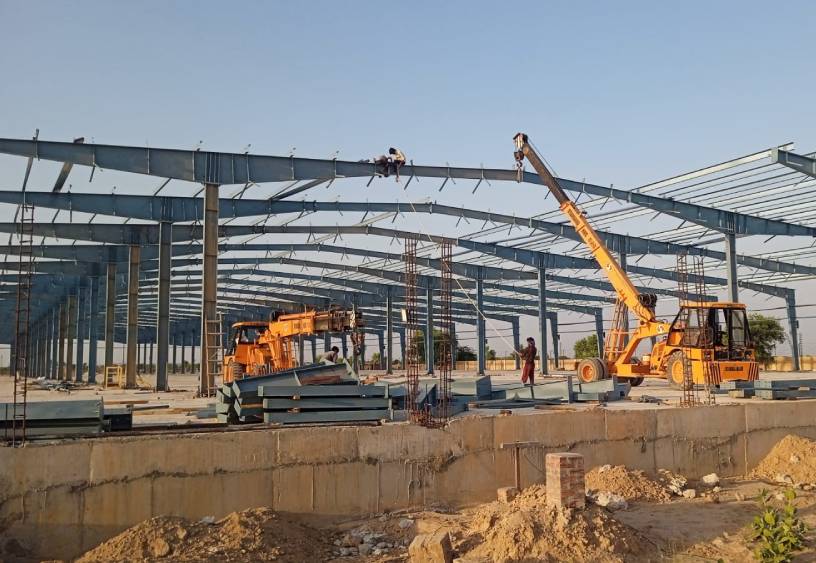
Civil construction is a branch of civil engineering focused on the development and maintenance of infrastructure that supports modern society. It includes the construction of structures such as residential and commercial buildings, roads, bridges, tunnels, dams, airports, and water supply and drainage systems. The process involves planning, surveying, designing, estimating costs, and executing construction work using materials like concrete, steel, and asphalt. Civil construction also ensures that projects meet safety standards, durability requirements, and environmental guidelines. It plays a crucial role in economic development by improving connectivity, providing essential services, and creating safe and functional spaces for public and private use.
Building better development in civil construction focuses on improving the quality, efficiency, and sustainability of infrastructure projects. It involves using advanced construction technologies, high-quality materials, and modern engineering techniques to create strong and durable structures. Better development also emphasizes proper planning, accurate design, cost-effective methods, and timely project completion. In addition, it includes adopting eco-friendly practices such as reducing waste, conserving energy, and using sustainable materials to protect the environment. Skilled workforce training, strict safety standards, and continuous innovation further contribute to improving civil construction development, ensuring long-lasting infrastructure that supports economic growth and community well-being.
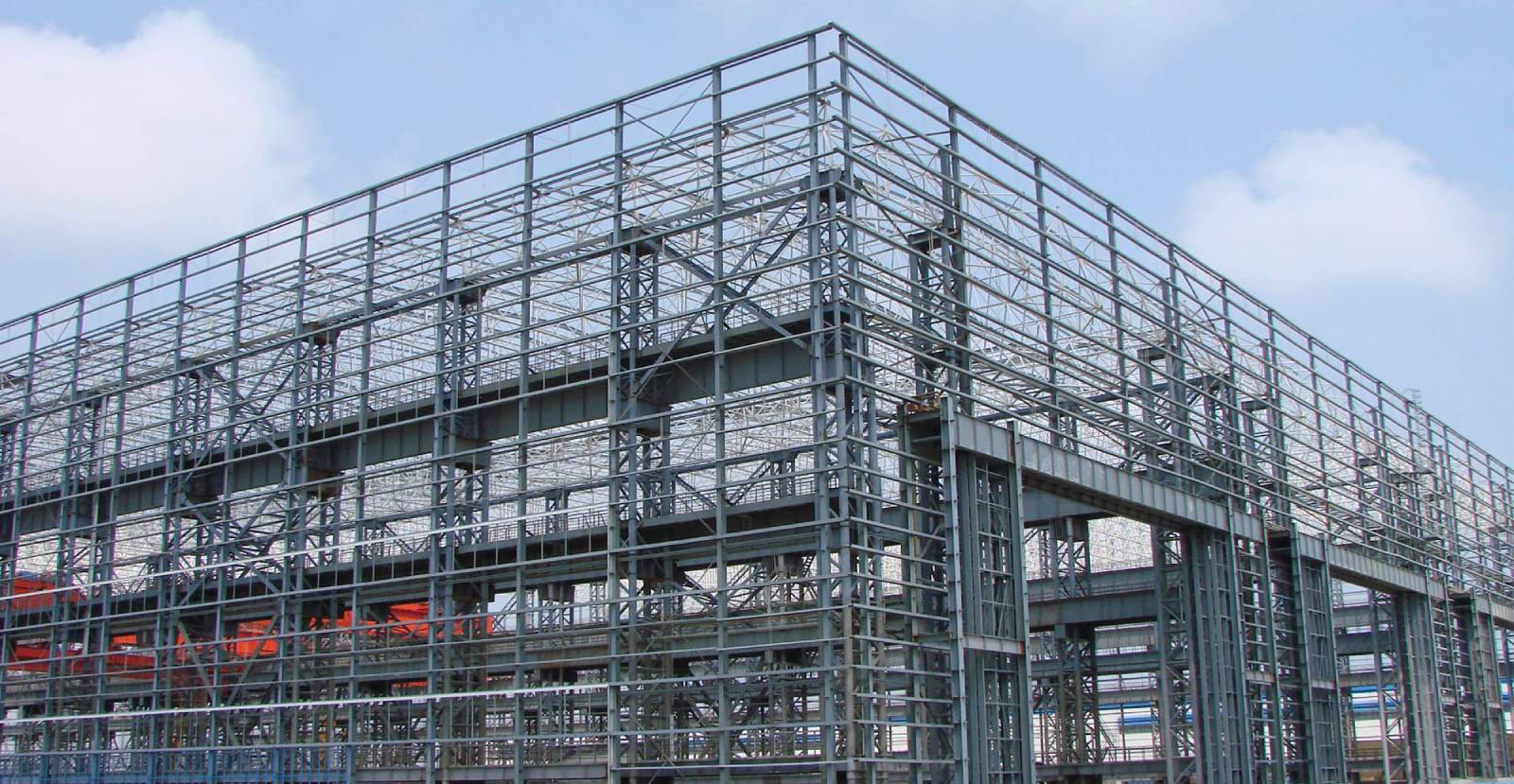
Steel structures offer several important benefits in civil construction, making them a preferred choice for many modern projects. They provide high strength and durability while being relatively lightweight compared to other construction materials, allowing for faster and easier installation. Steel is highly resistant to pests, fire (with proper treatment), and extreme weather conditions, ensuring long service life with low maintenance requirements. It also supports flexible design, enabling large spans and innovative architectural forms without the need for many internal supports. Additionally, steel structures are eco-friendly because they are recyclable and reduce construction waste. Their quick assembly and precision manufacturing help reduce project time and overall construction costs, making them efficient and economical for bridges, industrial buildings, warehouses, and high-rise structures.