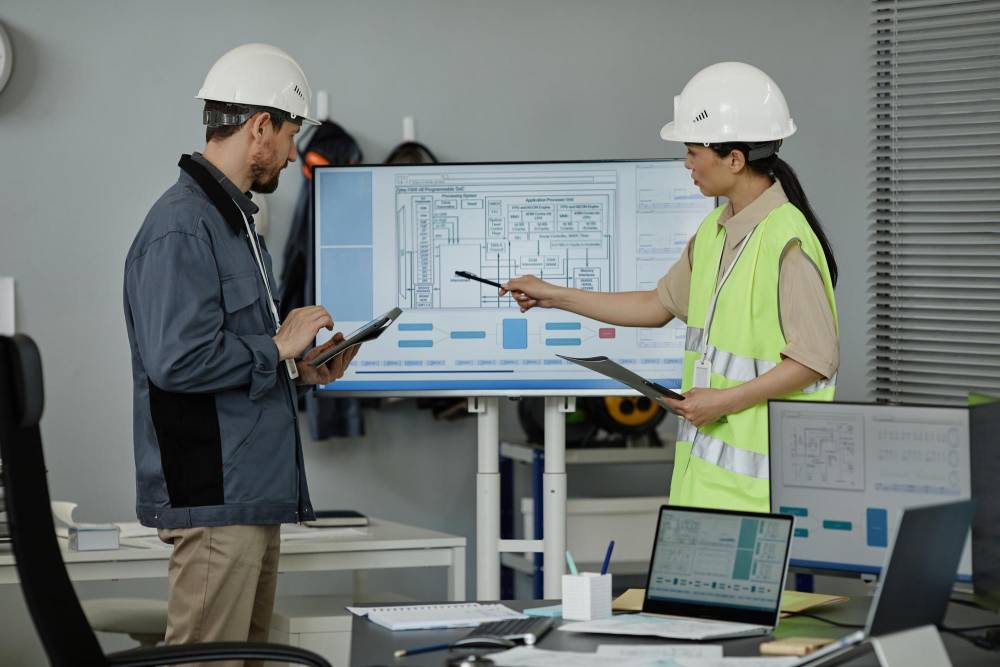
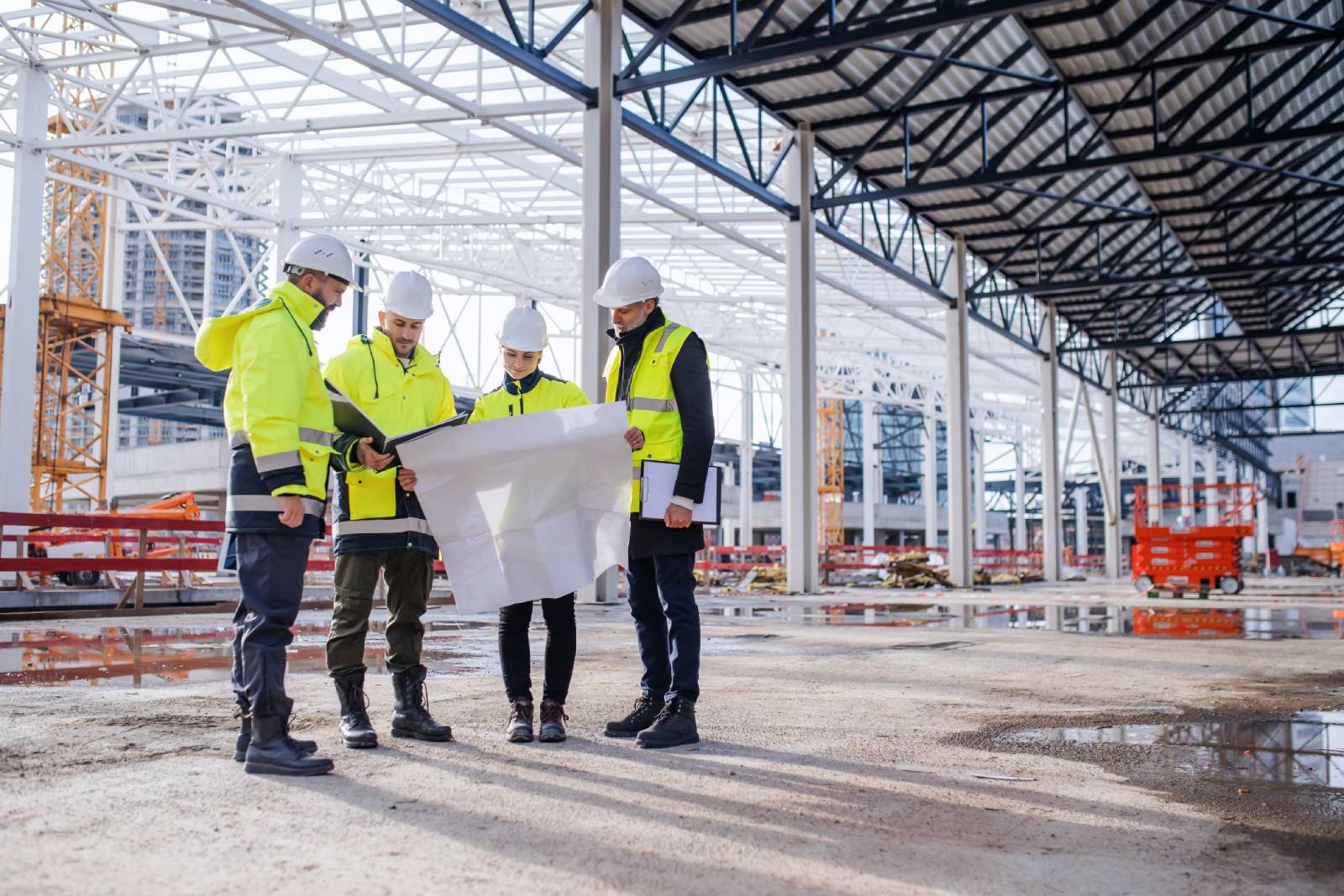
Engineering, Procurement, and Construction (EPC) is a comprehensive project delivery method in which a single contractor takes full responsibility for designing, sourcing materials, and building a project. This approach ensures seamless coordination across all stages, reducing complexity for the client and improving overall efficiency. EPC is commonly used in large-scale projects such as infrastructure development, power plants, and industrial facilities, where precise planning and execution are essential. By offering a single point of accountability, the EPC model helps ensure projects are completed on time, within budget, and to the required quality standards.
Building better development through Engineering, Procurement, and Construction (EPC) means creating projects that are efficient, sustainable, and future-ready. The EPC approach integrates design, material sourcing, and construction under one contractor, enabling smoother coordination and faster decision-making. This leads to improved quality, reduced costs, and timely project delivery. By adopting advanced technologies, sustainable practices, and innovative engineering solutions, EPC supports the development of modern infrastructure that meets growing demands while minimizing environmental impact. Ultimately, EPC plays a vital role in driving smarter, stronger, and more reliable development across industries.
Steel structures offer significant advantages in Engineering, Procurement, and Construction (EPC) projects due to their strength, flexibility, and speed of execution. One of the major benefits is faster construction time, as steel components are prefabricated in factories and quickly assembled on-site, reducing project delays and labor requirements. This makes steel an ideal choice for large EPC projects such as industrial plants, warehouses, power facilities, and infrastructure developments where time efficiency is critical.
Another key advantage is durability and structural strength. Steel has a high strength-to-weight ratio, allowing it to withstand heavy loads, extreme weather conditions, and seismic activity while maintaining structural integrity. It also offers design flexibility, enabling engineers to create complex and wide-span structures without compromising safety or functionality. Additionally, steel structures are sustainable, as they are recyclable and can be reused, aligning well with modern EPC goals of cost efficiency and environmental responsibility.